
Mrs India Pageant Training: Why Grooming and Stage Training Matter
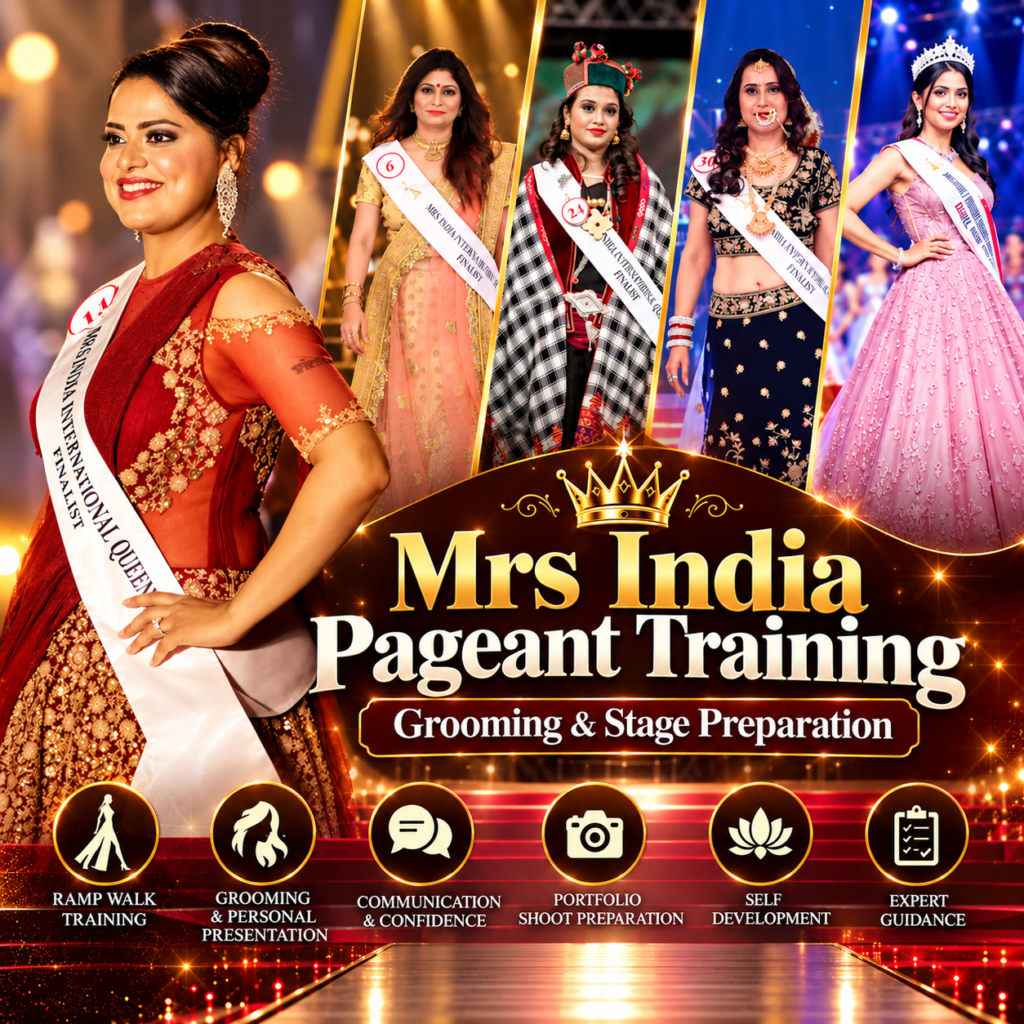
A woman may know exactly what she wants to say about herself, yet feel unsure when she has to introduce herself in front of an audience. Another may look elegant in her chosen outfit but struggle to walk comfortably in unfamiliar footwear. Someone else may be confident at work but find a pageant stage completely different from anything she has experienced before.
These are not unusual challenges. A pageant brings together several skills that are rarely practiced at the same time in everyday life.
That is where Mrs India pageant training becomes important. Grooming and stage training help contestants understand the practical demands of the competition, prepare for different presentations and become more comfortable with how they carry themselves.
For women who have never participated in a pageant, understanding this training is particularly useful. It helps separate the actual skills involved from the common assumption that contestants must already know how to walk, pose and perform before they join.
What Does Training for a Mrs India Pageant Involve?
Pageant training is not one single activity. It can include different areas of preparation, depending on the organizer and the programme.
Stage training focuses on how a contestant moves and presents herself in a performance environment. Grooming deals with personal presentation and preparation for public appearances. Other sessions may cover communication, personality development and confidence.
These areas work together, but they serve different purposes.
For example, learning to walk comfortably on stage will not automatically make someone a confident speaker. Similarly, choosing an appropriate outfit will not replace the need to understand stage instructions.
A well-rounded preparation programme helps contestants work on the different skills required by the event rather than concentrating only on their appearance.
Why Stage Training Matters
A stage can feel unfamiliar even to someone who is confident in everyday situations. The space is different, the audience is watching, and movements that feel natural in an ordinary room may require more attention under event conditions.
Stage training gives contestants an opportunity to practice these movements before the actual presentation.
Learning to Walk With Control
A ramp walk is not simply about walking in a straight line. Contestants may need to understand their pace, posture, balance, turns and final position.
Footwear and clothing can also affect movement. Practicing in suitable footwear helps a contestant identify what feels comfortable and where she needs more control.
The objective is not to copy a professional model’s exact walk. It is to learn the required movement, follow the event’s instructions and present oneself comfortably.
Understanding Posture and Body Language
Posture affects how a person carries herself. A contestant who is constantly looking down, rushing her movements or struggling to maintain balance may find it harder to concentrate on the presentation.
Training provides an opportunity to notice these habits and work on them.
Small adjustments can make practice more effective. Standing comfortably, keeping movements controlled and becoming aware of body language are more useful than forcing an exaggerated pose.
Following Stage Directions
During a live event, contestants may need to move to particular positions, follow choreography, wait for a cue or coordinate their movements with others.
Understanding these instructions matters because a presentation involves more than individual performance. Contestants also need to work within the event’s format.
Rehearsals help make the sequence more familiar. When contestants understand what they need to do, they can devote more attention to their presentation instead of trying to remember every instruction at the last moment.
What Is Grooming in a Beauty Pageant?
The word grooming is sometimes misunderstood as a requirement to look glamorous all the time. In a pageant, it can refer to the preparation involved in presenting oneself appropriately for different activities.
Depending on the programme, this may include personal presentation, posture, styling, hair and makeup guidance, communication or other development sessions.
Grooming does not mean that every contestant should look identical. Nor does it mean that a woman must change her personality to fit a particular image.
The purpose is to help contestants understand the presentation expected in different settings and make choices that suit them.
Choosing an Outfit That Works for You
An outfit may look attractive in a photograph but feel uncomfortable when worn for a full event. Fit, movement, footwear and suitability for the occasion all deserve attention.
Try your outfits before the event rather than waiting until the last moment. Sit, stand and walk in them to check for anything that restricts movement or requires constant adjustment.
If the event has specific outfit requirements, follow the official instructions. Ask for clarification if the dress code or styling expectations are unclear.
Understanding Hair and Makeup
Hair and makeup should complement the contestant and the occasion. The right approach depends on the event’s requirements, the outfit and individual preferences.
It is useful to understand what will be provided by the organizer and what contestants need to arrange themselves. If professional hair and makeup support is included, ask about the schedule and any preparation required beforehand.
Avoid experimenting with a completely unfamiliar look immediately before the event. Knowing what suits you and feeling comfortable with the result can make preparation less stressful.
Why Communication Training Deserves Attention
A contestant’s presentation may involve introducing herself, speaking about her experiences or responding to questions. Even when someone is comfortable in conversation, speaking in front of an audience can feel different.
Communication practice helps contestants organize their thoughts and express themselves clearly.
Start with a short introduction. Explain who you are, what interests you and which experiences you would like to share. Practice saying it aloud rather than relying only on written notes.
Pay attention to whether you speak too quickly, repeat the same point or use words that do not sound natural to you.
It is also useful to practice answering an unexpected question. You do not need a memorized response for every possibility. Instead, learn to pause, understand the question and answer it directly.
The aim is not to sound like a professional presenter overnight. It is to become more comfortable communicating in the situations the pageant may involve.
Can Beginners Benefit From Pageant Training?
Yes. Previous modelling experience is not automatically required for every pageant, although eligibility and experience requirements vary by organizer.
A beginner may need more practice with stage movement, while someone who has participated before may want to refine her presentation. Both can have areas to work on.
If you are new to pageantry, begin with the basics:
- Practice standing comfortably and maintaining balanced posture.
- Walk in suitable footwear and pay attention to your pace.
- Prepare a short introduction in your own words.
- Rehearse your talent or other required presentation, if applicable.
- Familiarize yourself with the official instructions.
- Ask questions when you do not understand a movement or requirement.
You do not have to master everything before training begins. That is one reason practice sessions can be useful.
At the same time, avoid assuming that attending a training programme will automatically make every part of the competition easy. Improvement depends on the instruction provided, the time available and the effort you put into practice.
How Mrs India International Queen Approaches Training
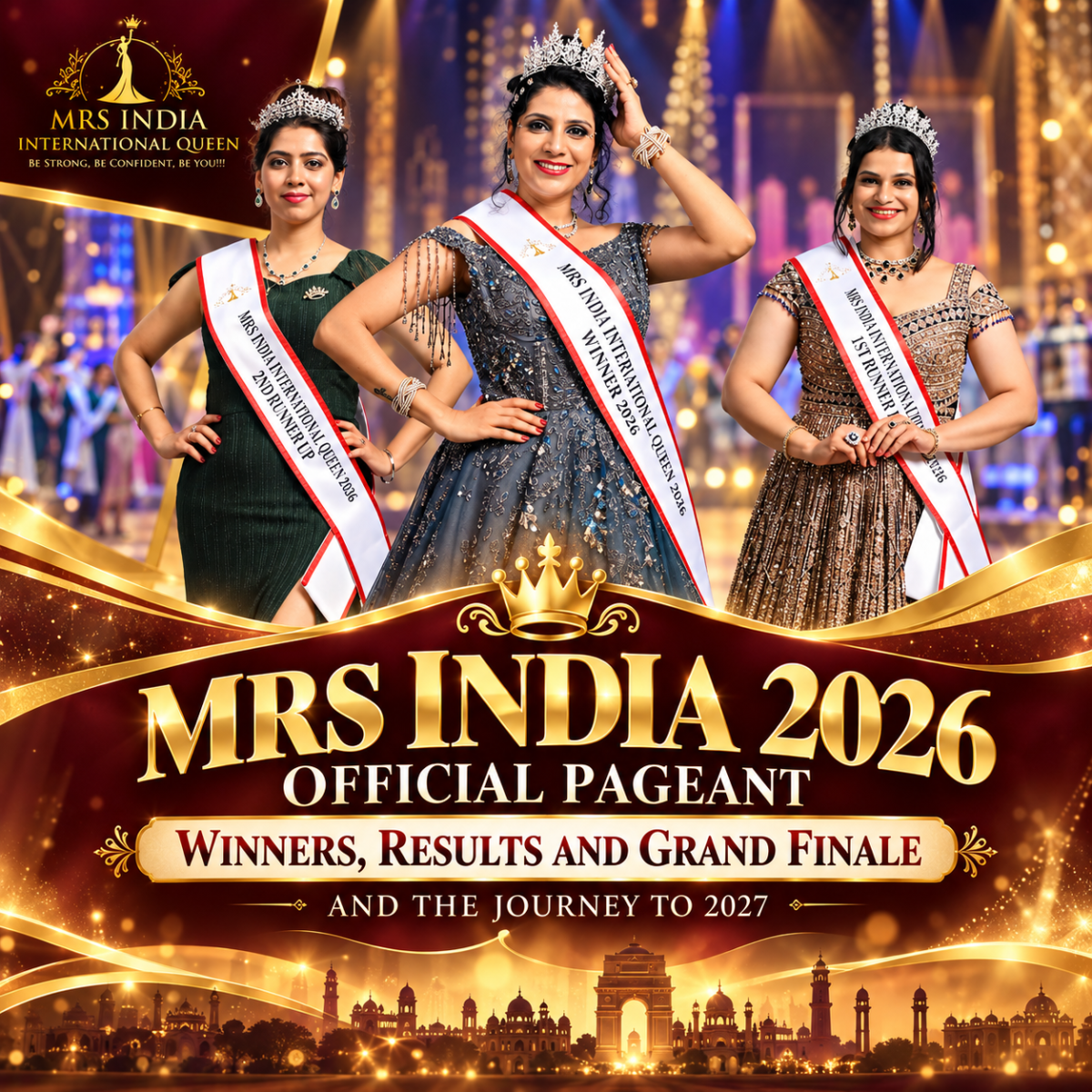
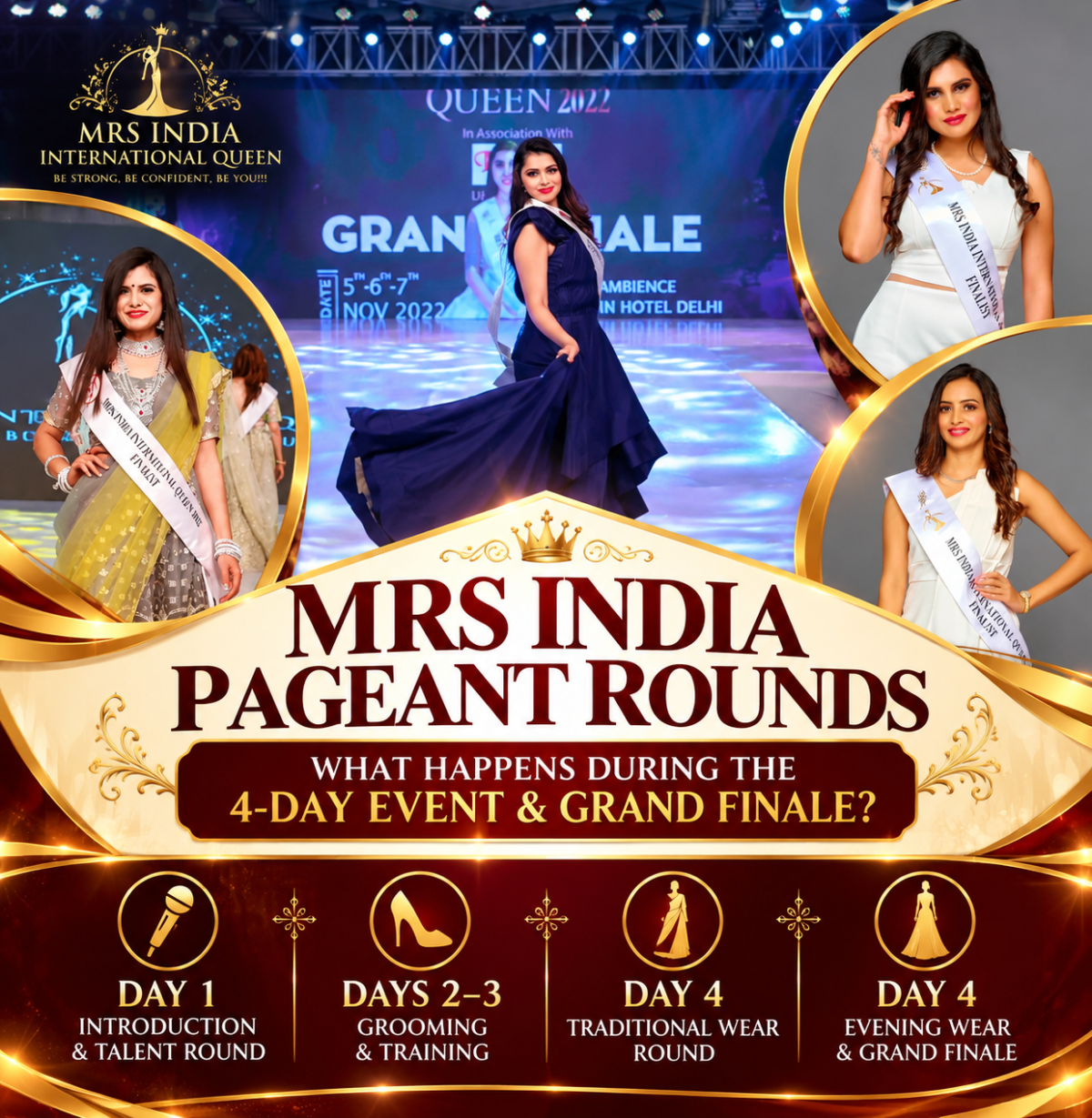
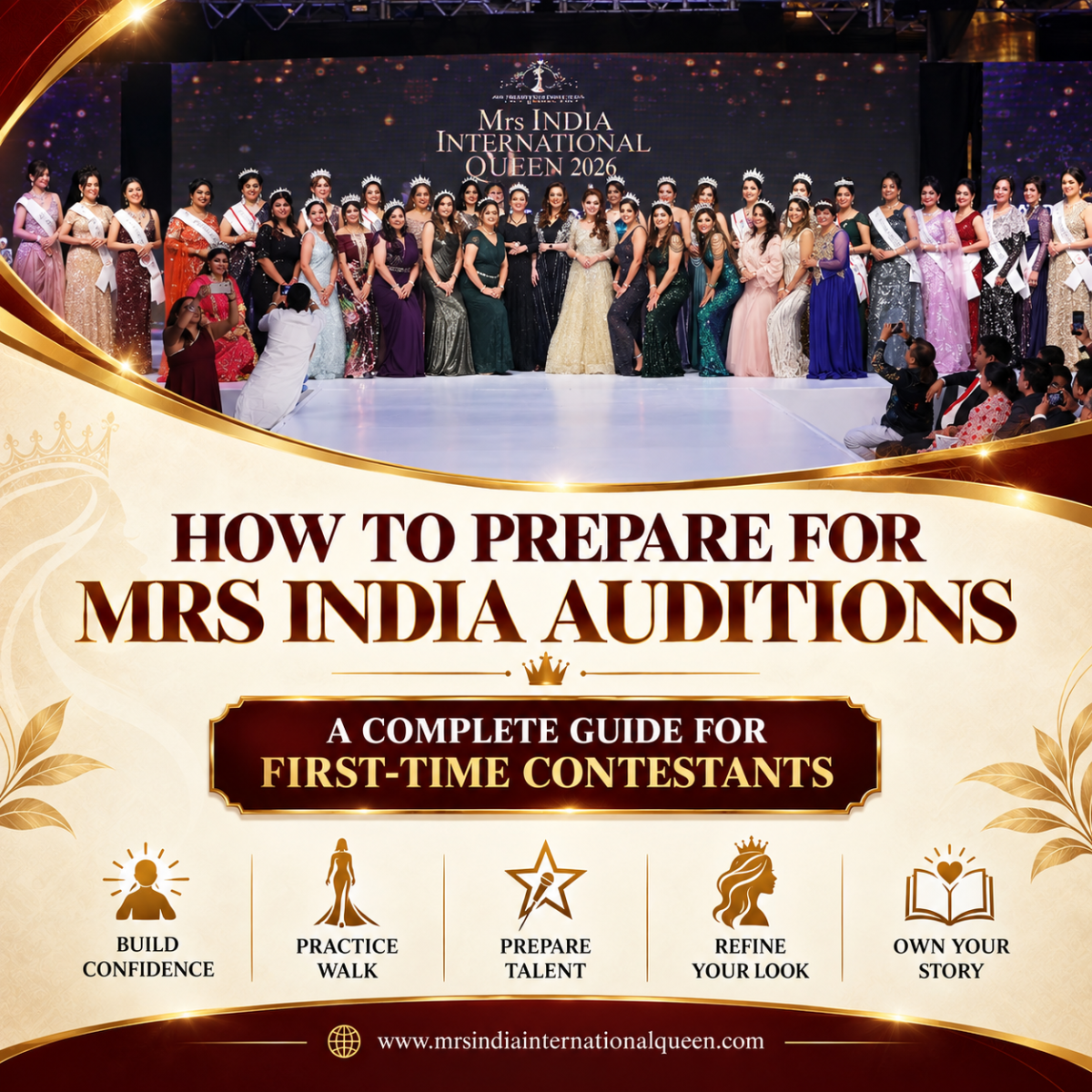
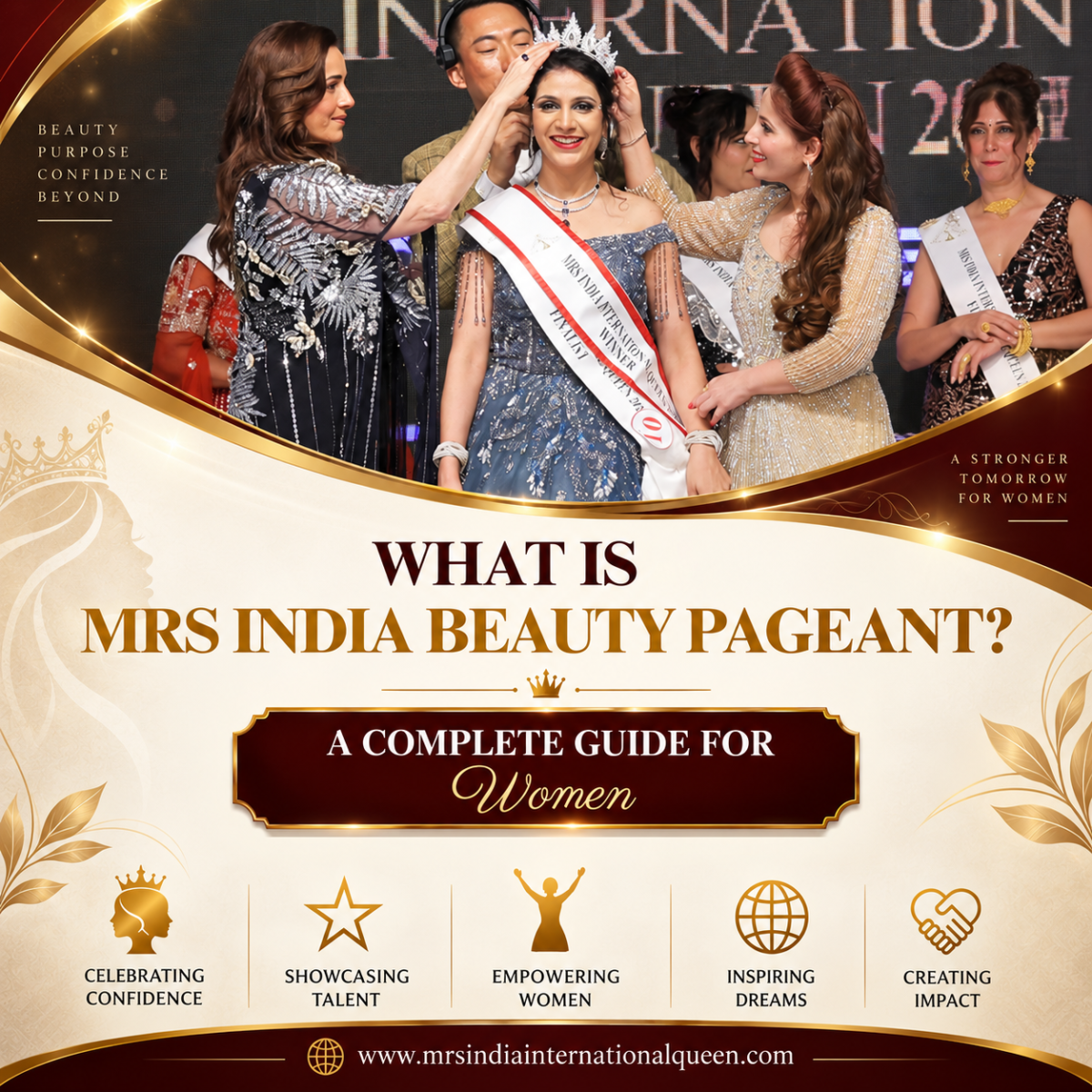
Mrs India International Queen’s published information describes training and preparation as part of the contestant experience. Its 2026 programme included areas such as catwalk and stage preparation, grooming, communication, personality development, confidence building and personal presentation. The event also included professional training and rehearsals. You can read more in the official Mrs India International Queen 2026 event coverage.
These activities address different aspects of presenting oneself during a pageant. Stage preparation helps contestants become familiar with movement and presentation, while communication and personal development sessions focus on other skills.
The exact schedule and inclusions may vary by edition. Anyone considering participation should review the current programme and confirm which sessions are included rather than assuming that every edition offers precisely the same arrangements.
For a clearer understanding of the event structure, see the Mrs India Pageant Rounds and Grand Finale guide.
What Should You Ask Before Joining a Training Programme?
Before registering for a pageant, find out what the training actually includes. General descriptions such as professional grooming or expert stage training do not always explain what participants will receive.
Ask the organizer:
- Which training subjects are covered?
- Who conducts the sessions, and what experience do they bring?
- How many sessions are included, and when do they take place?
- Are rehearsals compulsory?
- Is hair and makeup support included, or arranged separately?
- What additional preparation or expenses should contestants expect?
Getting clear answers helps you understand the programme and plan accordingly.
Also remember that training is not a guarantee of winning a title. It provides an opportunity to prepare and practice, while the competition outcome depends on the applicable rules and judging process.
Training Is About Preparation, Not Becoming Someone Else
A pageant may introduce you to unfamiliar movements, presentation requirements and public-speaking situations. Training can help make those activities more familiar, but it should not require you to abandon your individuality.
You do not need to imitate another contestant’s walk, speaking style or personality. You need to understand the requirements of the event and find a way to meet them while remaining comfortable with who you are.
Some skills may improve quickly with practice; others may take longer. Give yourself time to learn, pay attention to feedback and focus on the areas where you need the most support.
Grooming and stage training are valuable because they give contestants a chance to prepare before the pressure of the actual event.
The purpose of training is not to create a perfect contestant. It is to help a woman step onto the stage better prepared, more comfortable and ready to present herself.
- Share :
-





 405, Tower B, iThum, Sector 62, Noida, U.P. - 201301
